About Hydro Jetting Pros
We clean sewer and drain lines with high-pressure water, nationwide. What follows is how we work and what we will not do.
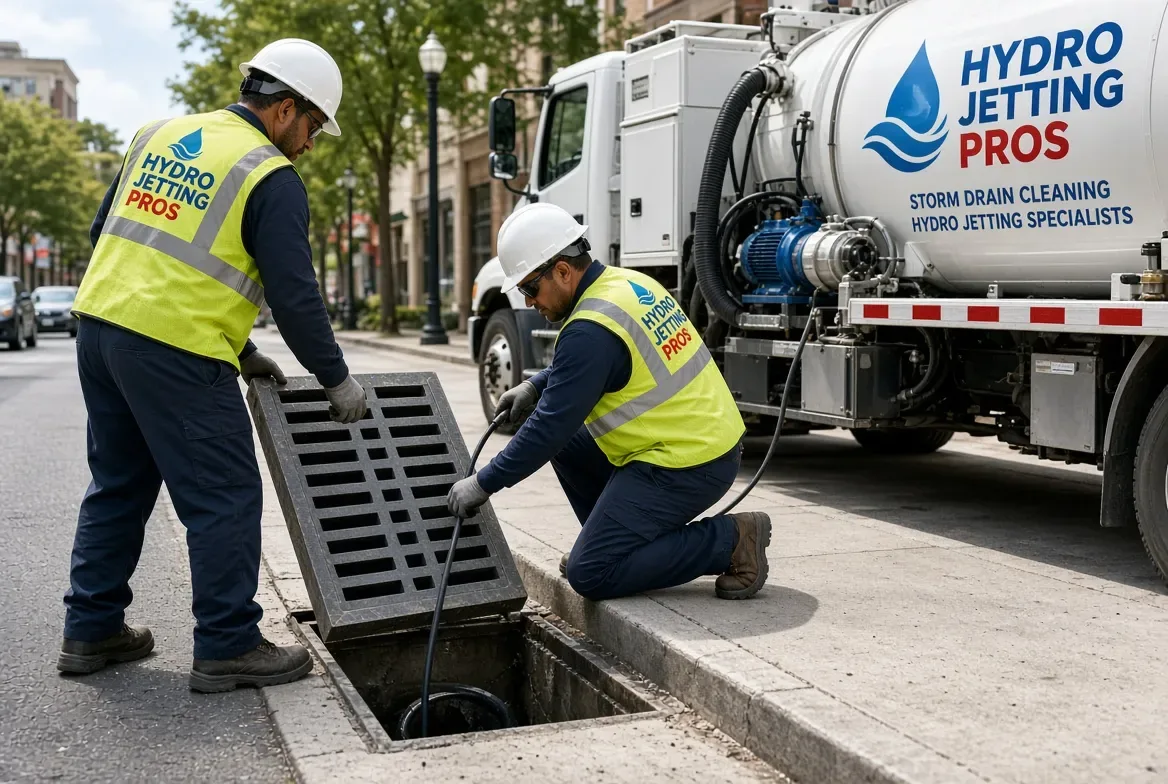
What we do
One thing, properly: we clear sewer and drain lines using high-pressure water, and we verify the result with a camera. That covers residential sewer mains, individual branch drains, commercial building drainage, commercial kitchen grease lines and site storm drainage. We work nationwide, and we take emergency calls at any hour because a blocked main does not wait for business hours.
How we approach a job
Most drain companies arrive, clear the blockage, invoice and leave. The line runs again, so everyone is satisfied until it backs up a few months later. We think the more useful question is why it blocked, because the answer changes what you should do about it.
So we inspect before we clean, not after. A camera pass tells us whether we are looking at roots at a shifted joint, hardened grease on the pipe wall, mineral scale on old cast iron, a section that has fallen and holds water, or a genuine structural failure. Those look similar from the outside and they are completely different problems. Two of them are fixed by cleaning. The rest are not.
What we will tell you
If the inspection shows a problem that jetting cannot fix, we say so, even though cleaning is what we sell. A collapsed pipe, a badly offset joint or a line with a belly holding water will keep failing no matter how well it is cleaned, and selling you an annual clean for a pipe that needs repairing is not a service.
We also will not quote a price sight unseen. The cost of jetting a line depends on its length and diameter, how accessible the cleanout is, what is actually in the pipe, and whether the work is scheduled or an after-hours emergency. A number given over the phone before anyone knows whether you have a cleanout is a guess, and guesses get revised upward once someone is standing in your yard.
Pressure matched to the pipe
High pressure is a tool, not a selling point. A six-inch clay main with root intrusion takes a different nozzle and a different approach than a four-inch PVC line glazed with kitchen grease. Thin, heavily scaled cast iron, old Orangeburg and already-cracked clay need pressure deliberately dialled back, and sometimes they need a different method altogether. Applying maximum pressure to every line is how pipes get damaged.
Commercial and food service
For commercial buildings and restaurants the work is scheduled around operating hours — usually overnight or before prep — so nothing closes and no customer sees a hose across a corridor. You get documentation of what was found and what was done, which is what your insurer, landlord, franchisor or health inspector will ask for.
Buildings on a sensible cleaning interval mostly do not have backups, because the line never reaches the point of blocking. That is cheaper than paying emergency rates three times a year, and considerably cheaper than closing a kitchen on a Friday night.
Coverage
We work nationwide. Texas is our first fully mapped state: every incorporated city, town and village, with the local conditions that actually drive drain failure documented for each market rather than generic copy with a city name dropped in. Other states are being built the same way.
If you are outside our mapped coverage, call anyway. We will tell you on the phone whether we can take the work, and if we cannot we will say that rather than send someone three hours away.
Licensing
Plumbing and drain work is regulated differently in every state and often by municipality. Work is carried out by appropriately licensed contractors in the jurisdiction where the job takes place. If you want to see the licensing for whoever attends your property, ask and we will provide it.
Got a line that keeps blocking?
Describe the symptoms and we will tell you what the job actually is before anyone turns up.
(833) 349-033324/7 emergency service